
"coffee production El Salvador"
500 article(s) found

A brief introduction to the cultivation of boutique coffee beans on Mount Everest in El Salvador, geographical location, climate and altitude
The current situation of coffee production is a natural and man-made disaster, which is a perfect description of the challenges facing the coffee industry in El Salvador. Despite getting rid of the haze of war, El Salvador's coffee production still faces challenges from time to time, including: 1998, hurricanes; 2001, earthquakes; 2002, volcanic eruptions; 2012, leaf rust

Introduction to the variety treatment method for describing the characteristics of grinding degree of El Salvador Himalayan coffee
A brief History of Coffee production in 1742, coffee was introduced to El Salvador from the Caribbean (1740). In the mid-19th century, El Salvador's original export pillar Indigo (one of the dyes) received a gradual decline in the development of synthetic dyes in Europe, and coffee gradually became the main export product under the guidance of the government. In 1856, the first 693 bags of coffee beans were shipped to Europe. all long

An introduction to the coffee-producing areas of El Salvador with the name of "the land of volcanoes"
A brief History of Coffee production in 1742, coffee was introduced to El Salvador from the Caribbean (1740). In the mid-19th century, El Salvador's original export pillar Indigo (one of the dyes) received a gradual decline in the development of synthetic dyes in Europe, and coffee gradually became the main export product under the guidance of the government. In 1856, the first 693 bags of coffee beans were shipped to Europe. all long

A brief introduction to the cultivation of boutique coffee beans on Mount Everest in El Salvador, geographical location, climate and altitude
Like Guatemala and Costa Rica, coffee in El Salvador is graded according to altitude. The higher the altitude, the better the coffee. It is divided into three grades according to elevation: SHB (strictly high grown) = highlands, HEC (high grown central) = mid-highlands, and CS (central standard) = lowlands; the best brand is Pipil, which is Az.

Introduction of Flavor and Taste characteristics of El Salvador Himalayan Coffee Manor
The name of the national symbol editor is Salvador, which means savior in Spanish, named after Columbus's experience in discovering the American continent. The flag of El Salvador was used in 1822, was rescinded in 1865 and restored in 1912. The Constitution of the year of the National Flag of El Salvador was officially established as the national flag in 1972. The national flag is rectangular with a ratio of length to width of 335 to 189
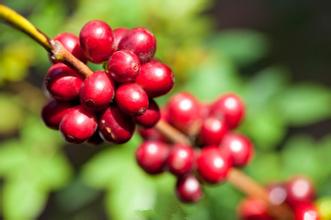
Description of flavor and flavor of coffee beans in El Salvador
El Salvador coffee beans characteristic flavor description taste variety production area introduction in El Salvador, Cuscarpa region is rich in coffee beans is the best, its weight is slightly light, aromatic, pure, slightly sour. Like Guatemala and Costa Rica, coffee in El Salvador is graded according to altitude, and the higher the altitude, the better the coffee. The best brand is

A brief introduction to the cultivation of boutique coffee beans on Mount Everest in El Salvador, geographical location, climate and altitude
The current situation of coffee production is a natural and man-made disaster, which is a perfect description of the challenges facing the coffee industry in El Salvador. Despite getting rid of the haze of war, El Salvador's coffee production still faces challenges from time to time, including: 1998, hurricanes; 2001, earthquakes; 2002, volcanic eruptions; 2012, leaf rust

The cultivation of boutique coffee beans on Mount Qomolangma in El Salvador with excellent balance, geographical location, climate, simple altitude.
Despite the challenges, El Salvador maintained a high level of coffee production, according to ICO International Coffee Organization, from 2008 to 2012, total coffee production in El Salvador remained at the Top15 level among ICO member countries. In 2013, affected by the leaf rust disaster, 70% of domestic farms were infected, and the output dropped sharply by about 40%, falling to 16. Salvadoran coffee and Mexico

A brief introduction to the overall soft market price of El Qomolangma boutique coffee beans
The current situation of coffee production is a natural and man-made disaster, which is a perfect description of the challenges facing the coffee industry in El Salvador. Despite getting rid of the haze of war, El Salvador's coffee production still faces challenges from time to time, including: 1998, hurricanes; 2001, earthquakes; 2002, volcanic eruptions; 2012, leaf rust

El Salvador Coffee Flavor Taste Manor production area introduces the characteristics of El Salvador coffee boutique coffee beans
El Salvador's coffee accounts for 40% of the country's exports, and it is usually picked in November, December and January-March of the following year. The export of raw beans lasts almost all year round. Coffee is produced in seven of the country's 14 provinces, with the largest number in the northwestern provinces of chalatenango and santa ana. The coffee produced in El Salvador is 100% Arabica, of which 68% is

A brief introduction to the cultivation of boutique coffee beans on Mount Everest in El Salvador, geographical location, climate and altitude
A brief History of Coffee production in 1742, coffee was introduced to El Salvador from the Caribbean (1740). In the mid-19th century, El Salvador's original export pillar Indigo (one of the dyes) received a gradual decline in the development of synthetic dyes in Europe, and coffee gradually became the main export product under the guidance of the government. In 1856, the first 693 bags of coffee beans were shipped to Europe. all long

El Salvador Pacamara coffee flavor, El Salvador Pacamara coffee introduction
Follow the caf é (Wechat official account vdailycom) found that the beautiful cafe opened its own shop in Central America, El Salvador can be said to be the smallest country in land area, although coffee production is much less than other countries, but the Pacific sea breeze and volcanic environment provide El Salvador coffee farmers with unique planting advantages and diversified flavor.

El Salvador Coffee producing area introduces the IzaIco area of Sonsonate Province
In 1742, coffee was introduced to El Salvador from the Caribbean (1740). In the mid-19th century, El Salvador's original export pillar Indigo (one of the dyes) received a gradual decline in the development of synthetic dyes in Europe, and coffee gradually became the main export product under the guidance of the government. In 1856, the first 693 bags of coffee beans were shipped to Europe. Until the second World University.
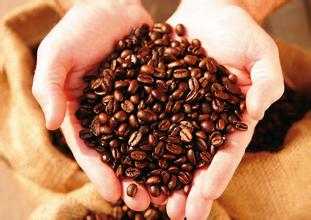
Aromatic taste of Salvador Mercedes Manor coffee beans production area treatment method introduction
Cuscacbapa, El Salvador, packaged beans ready for export El Salvador coffee is a specialty of Central America, where it is light, aromatic, pure and slightly acidic. Like Guatemala and Costa Rica, coffee in El Salvador is graded according to altitude, with the higher the altitude, the better the coffee. The best brand is Pipil.
El Salvador Coffee-El Salvador Coffee-El Salvador Coffee
Unique, mild coffee. El Salvador is one of the small countries in Central America and has a very dense population. Its coffee flavor is characterized by excellent balance. Today, this coffee accounts for 40% of the country's exports. The best quality coffee is exported to Germany from January to March after 35% of the extra hard beans. In the early 1990s, guerrilla warfare greatly damaged the country's national economy.
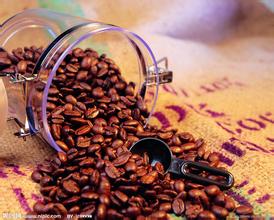
El Salvador Coffee-El Salvador Coffee-El Salvador Coffee
Unique, mild coffee. El Salvador is one of the small countries in Central America and has a very dense population. Its coffee flavor is characterized by excellent balance. Today, this coffee accounts for 40% of the country's exports. The best quality coffee is exported to Germany from January to March after 35% of the extra hard beans. In the early 1990s, guerrilla warfare greatly damaged the country's national economy.

Lemus Manor in El Salvador introduces the flavor characteristics of Boponkaduai treated with black honey.
El Salvador Lemus Manor Black Honey treatment Bourbon Caduai country: El Salvador El Salvador production area: Apaneca Mountains Apaneca-Ilamatepec Manor: Lemus Manor Finca Lemus Bella Vista altitude: 1250 m varieties: Bourbon, Kaduai treatment: black honey treatment grade: SHB production season: 2020 production area information El Salvador is Central and American

El Salvador coffee bean flavor taste manor production area introduction of El Salvador coffee bean hand-brewed boutique coffee
El Salvador's coffee accounts for 40% of the country's exports, and it is usually picked in November, December and January-March of the following year. The export of raw beans lasts almost all year round. Coffee is produced in seven of the country's 14 provinces, with the largest number in the northwestern provinces of chalatenango and santa ana. The coffee produced in El Salvador is 100% Arabica, of which 68% is

El Salvador Coffee producing area introduction El Salvador Coffee Bean Manor El Salvador
In the early 1990s, guerrilla warfare greatly damaged the country's national economy, reducing coffee production from 3.5 million bags in the early 1970s to 2.5 million bags in 1990-1991. The eastern part of the country was most affected by guerrilla warfare, and many farmers and workers were forced to leave the manor. The shortage of funds has led to a sharp drop in coffee production, from 1200 kg per hectare in the past to no yield per hectare today.

El Salvador coffee origin El Salvador coffee culture El Salvador coffee price
Unique, mild coffee. El Salvador is one of the small countries in Central America and has a very dense population. Its coffee flavor is characterized by excellent balance. Today, this coffee accounts for 40% of the country's exports. The best quality coffee is exported to Germany from January to March after 35% of the extra hard beans. In the early 1990s, guerrilla warfare greatly damaged the country's national economy.